Nomad Grass Fed Sheep
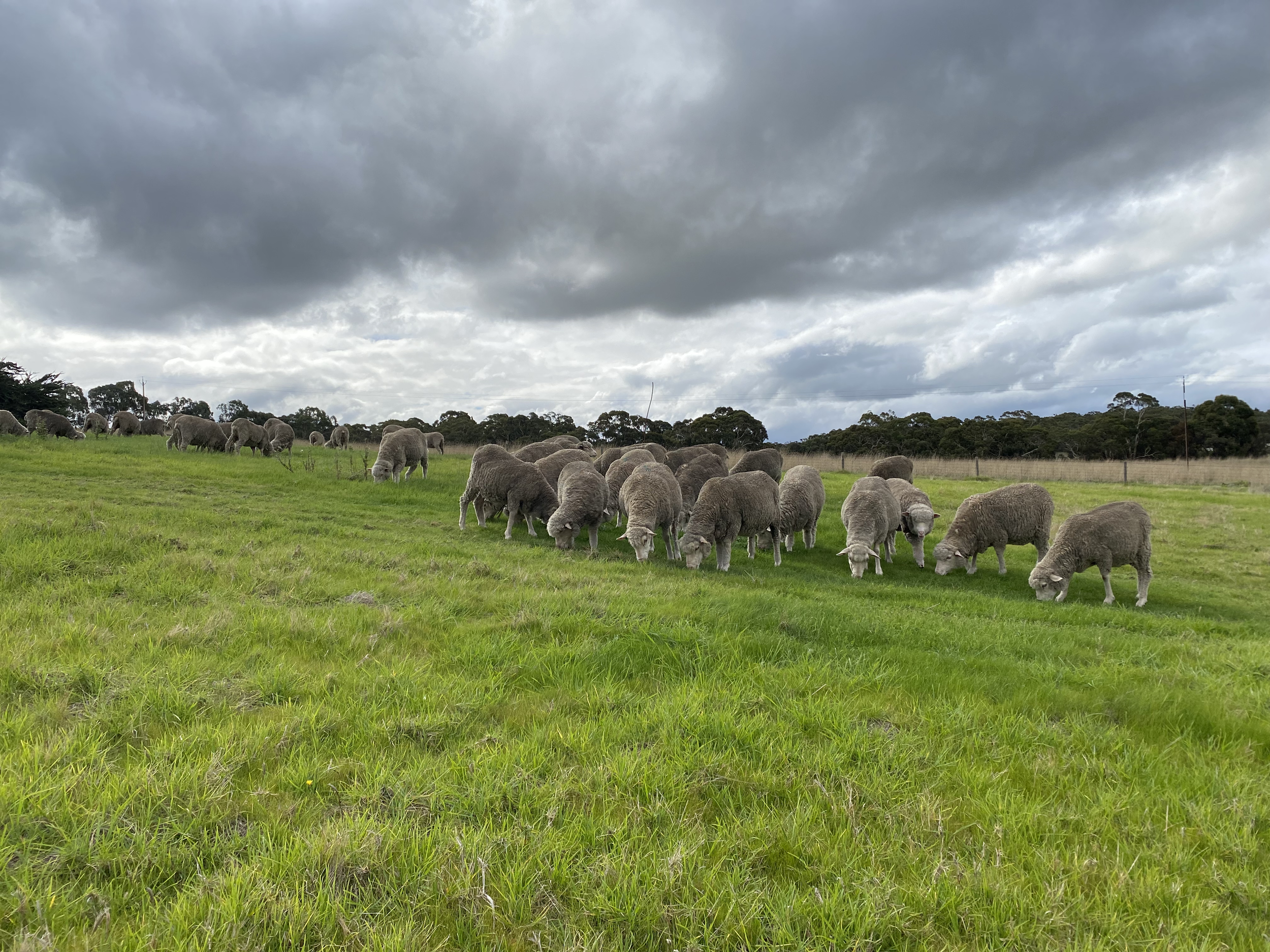
Nomad Sheep is 100% grass fed, free from hormones, chemical and anthelmintics and raised with plant, animal and human health in mind. We breed our own Polwarth sheep, a breed well known for its quality wool and meat.
At Nomad Farms animal health is central to everything we do. This means more than simply being free of diseases or maintaining healthy growth rates. It’s about well-being and thriving naturally. We believe that animals should be able to express their true animal characteristics, and that diverse natural systems have health as their default setting. Sheep are driven to graze on fresh and diverse pastures as well as enjoying the safety and fun of a herd. All of our animals are raised on fresh pasture and given the best opportunity to express themselves.
We provide the natural conditions for our sheep to thrive, moving them regularly to fresh, chemical free pasture and relying on sunshine, rest and biodiversity to cleanse and refresh the landscape. This includes a diversity of species moving across the landscape at different times. This mimics the way herbivores move across the landscape in natural systems and is important for landscape, animal and plant health. Ultimately, we think it also produces a product which is tastier and more nourishing for humans.
Our pastures are managed to provide the sheep with a diverse range of plants, growing in biologically active soil, allowing them to access the greatest range of phytochemical compounds for their health and ours. Nomad sheep are managed using low stress stock handling techniques, which is equally important for their physical and emotional wellbeing, our quality of farming life, and ultimately the quality of the meat and wool produced.
We use techniques which not only prevent damage to landscape, but actively regenerate it. For our efforts in exploring and sharing these ideas we were awarded the SA Landcare Award for Innovation in Sustainable Farm Practices. This is something we're especially proud of as we see the custodianship of our land as a great privilege, and one we want to live up to.
We primarily produce sheep for the wool, however we occassionally have some hogget available through our market stalls and some restaurants.